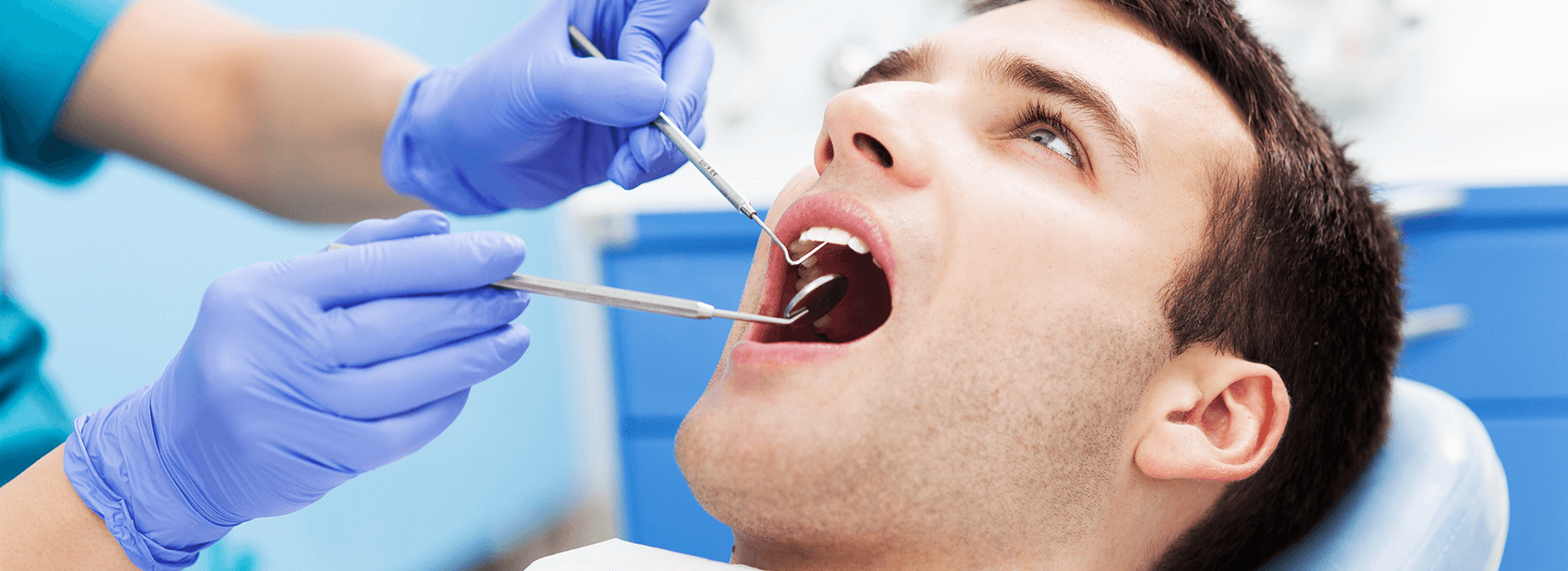
Root Canal Therapy in Fort Smith, AR!
Root canal therapy is a common and effective way to save a damaged or infected tooth while relieving pain. When the inner tissue of a tooth becomes inflamed or infected, prompt treatment is important to protect your oral health and prevent further complications.
Our Fort Smith dental team provides gentle, precise root canal treatment designed to restore comfort, preserve your natural tooth, and help you return to normal eating and smiling with confidence. Contact us today to learn more and schedule!
Schedule Consultation
When is a root canal necessary?
A root canal is needed when the inner part of a tooth, called the pulp, develops an infection. This often happens due to deep decay, a cracked tooth, repeated dental procedures, or trauma. Common signs can include ongoing tooth pain, sensitivity to hot or cold, swelling, or a pimple-like bump on the gums. Treating the infection promptly helps relieve discomfort and prevent further damage.

What is the root canal process?
During a root canal, we gently remove the infected pulp from inside the tooth. The area is cleaned and disinfected to remove bacteria. Once cleaned, the space is filled and sealed to prevent future infection. The procedure is performed with local anesthesia, so patients are comfortable throughout the visit. A temporary or permanent restoration is placed afterward to protect the tooth.

What happens after a root canal?
After a root canal, mild soreness is normal for a few days and can usually be managed with over-the-counter pain relief. The treated tooth may feel different at first but should no longer cause sharp pain. In many cases, a dental crown is recommended to restore strength and function. With proper care and regular checkups, a root canal–treated tooth can last many years.
Are there alternatives to root canal therapy?
The main alternative to a root canal is a dental extraction. If a tooth cannot be saved, removing it may be necessary to stop infection. After extraction, options like dental implants, bridges, or partial dentures can replace the missing tooth. However, saving the natural tooth with a root canal is often preferred when possible, as it helps maintain normal biting, chewing, and jaw health.
Get In Touch