Tooth-Colored Fillings Aftercare: Normal Sensitivity vs. Signs You Need a Quick Bite Adjustment
May 28, 2026 9:00 amGetting a tooth-colored filling is usually a fairly routine visit, but the way your tooth feels afterward can raise questions. Maybe cold water gives you a quick zing. Maybe chewing feels a little tender for a day or two. Or maybe the tooth feels like it hits first every time you bite down, almost like something is just slightly “off.”
That last part is where many patients get stuck. Some sensitivity after a filling can be normal, especially if the cavity was deeper or the tooth had been irritated before treatment. However, a high bite is different. If the filling is even a little too tall, your tooth may take extra pressure each time you chew, and that can leave it sore until the bite is adjusted.
At River City Dental in Fort Smith, AR, Dr. Peyton Aven, Dr. Emily Steininger, and the team help patients understand what is expected after tooth-colored fillings and what should be checked. In many cases, a quick bite adjustment can make the tooth feel much better without redoing the entire filling.
What Tooth-Colored Fillings Are Designed to Do
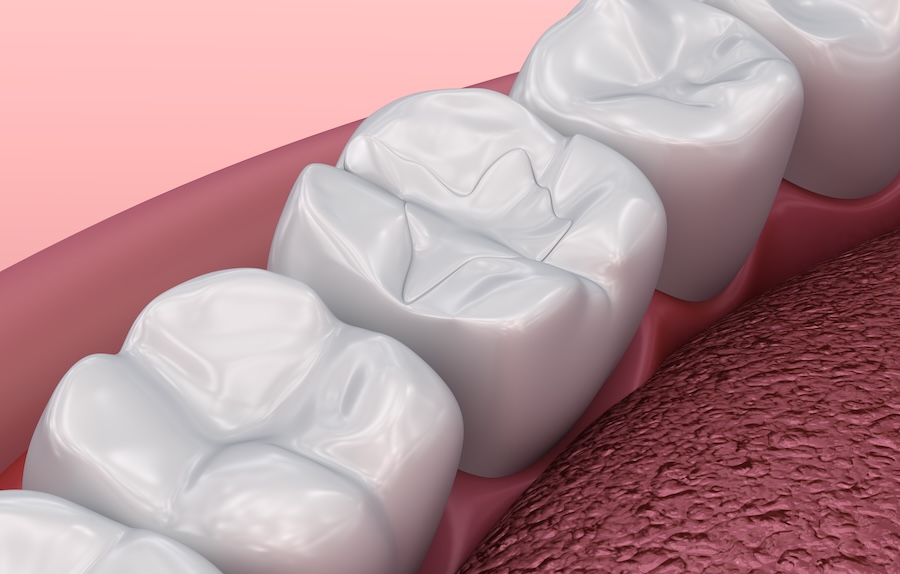
Tooth-colored fillings repair areas of decay or small damage while blending in with the natural tooth. Instead of using a silver-colored material, these fillings are made with composite resin, which can be matched to the shade of your enamel.
During treatment, the decayed or weakened tooth structure is removed, the tooth is cleaned, and the composite material is placed in layers. Each layer is hardened with a special curing light. Then the filling is shaped and polished so it fits your bite and feels smooth against your tongue.
Because the filling is bonded to the tooth, it can restore strength and help protect the area from further decay. Still, the tooth has been worked on, and the nerve inside may need a little time to settle.
That is why mild sensitivity after a filling is not unusual. The key is knowing what kind of sensitivity makes sense and what kind points to a bite problem or another concern.
Normal Sensitivity After a Tooth-Colored Filling
After a filling, some patients notice sensitivity to cold, air, sweets, or chewing. This can happen because the tooth was irritated by decay, the cleaning process, or the bonding materials used during the filling. A deeper cavity can also leave the nerve more reactive for a while.
Normal sensitivity is usually mild to moderate and should gradually improve. You may feel a quick cold zing that fades right away, or the tooth may feel a little tender when you chew on it for the first day or two. This type of sensitivity often becomes less noticeable as the tooth calms down.
It can help to avoid very cold foods and drinks for a few days if they bother the tooth. Chewing on the other side temporarily may also give the area a break, especially if the filling was larger.
However, normal sensitivity should not keep getting worse. It should not feel like sharp pain every time you bite. It should not wake you up at night. If the tooth feels more irritated as the days pass, it is worth calling River City Dental so the team can take a look.
Why a Filling Can Feel Too High
A filling can feel too high when it sits just slightly above the natural bite surface. This may be a very small difference, but teeth are sensitive to pressure. Even a tiny high spot can make the tooth feel strange when you close your mouth.
During the appointment, your mouth is numb, and you may not be able to bite exactly the way you normally do. Dr. Aven or Dr. Steininger will check your bite before you leave, but once the numbness wears off and you chew, talk, and close your teeth together naturally, a high spot may become much easier to notice.
A high filling is not unusual, and it is usually a very simple fix. A quick bite adjustment can smooth down the small area that is taking too much pressure, and the filling itself usually does not need to be redone.
If your tooth feels like it hits first, feels taller than the others, or feels sore only when chewing, the bite may need a small adjustment. A short visit can often take the extra pressure off the tooth and help your bite feel natural again.
Signs You May Need a Bite Adjustment
A bite adjustment may be needed if your tooth feels uncomfortable when your upper and lower teeth come together. This is different from a quick cold sensitivity that fades.
You may notice that the filled tooth feels like the first tooth to touch when you bite down. It may feel like there is a small pebble on the tooth, even though the filling looks smooth. You might chew carefully because pressure on that tooth feels annoying or sore.
Another common sign is pain when biting down or when releasing your bite. The tooth may feel bruised, especially after meals. If the filling is too high, the ligament around the tooth can become irritated from repeated pressure.
This is one of those dental problems that can be small but surprisingly irritating. If the tooth feels off every time you close your mouth, do not wait weeks hoping you will get used to it. A quick adjustment may be all it needs.
What a Bite Adjustment Involves
A bite adjustment is usually simple. Dr. Aven or Dr. Steininger will ask what you are feeling, check how your teeth come together, and use bite paper to see where the filling is taking too much pressure.
The bite paper leaves marks on the tooth where contact is heavy. The dentist can then smooth and reshape the high area of the filling. This does not usually require numbing because only a small amount of filling material is adjusted.
Afterward, you will bite again to make sure the pressure feels more balanced. Sometimes it takes a couple of passes to get it just right. Your tooth may still feel tender for a short time if it has been irritated, but the pressure should feel better once the high spot is removed.
The visit is often quick, but it can make eating much more comfortable. A tooth that keeps getting hit too hard needs relief, not more time under pressure.
How Long Should Sensitivity Last After a Filling?
Sensitivity after a tooth-colored filling can last a few days, a couple of weeks, or occasionally longer, depending on the tooth. The deeper the cavity, the more irritated the nerve may have been before the filling was placed.
Short, mild sensitivity that improves over time is usually not a problem. For example, if cold water causes a quick zing but the feeling disappears right away, the tooth may simply need time.
On the other hand, sensitivity that lingers after cold, gets worse, or turns into throbbing pain should be checked. Lingering pain can sometimes mean the nerve is more inflamed than expected, especially after a deep cavity.
Biting pain is also worth paying attention to. If the tooth mainly hurts when you chew or close your teeth together, the bite may be too high. That is often easier to fix than people expect, but it should not be ignored.
How to Care for a Tooth-Colored Filling at Home
After a filling, you can usually brush and floss as normal unless your dentist gives you different instructions. Once the numbness wears off, you can eat, but it is smart to be careful until your mouth feels normal again.
Avoid chewing while you are still numb. It is too easy to bite your cheek, lip, or tongue without realizing it. When you do eat, start with softer foods if the tooth feels tender.
Brush gently around the filling, and keep flossing between the teeth. If the floss catches or shreds in one spot, mention it. A rough edge may need smoothing.
Also, avoid using the filled tooth to chew ice, bite fingernails, open packages, or crunch very hard foods. Tooth-colored fillings are strong, but no filling appreciates being treated like a tool.
When Sensitivity Could Mean Something Else
Most post-filling sensitivity improves, but sometimes the tooth needs another look. This is especially true if the cavity was deep, the tooth had a crack, or there was already significant irritation before treatment.
Call River City Dental if you have throbbing pain, swelling, lingering hot or cold sensitivity, pain that wakes you up, or discomfort that keeps getting worse. These symptoms may mean the nerve inside the tooth is inflamed or infected.
You should also call if the filling feels loose, cracked, rough, or sharp. A filling should feel smooth and stable once you have adjusted to it. If your tongue keeps finding a rough spot, the area may need polishing.
Not every concern means major treatment is needed. Sometimes the fix is minor. However, guessing for weeks can turn a simple adjustment into a lot of unnecessary discomfort.
Why You Should Not Ignore a High Filling
A high filling can irritate the tooth each time you bite. At first, it may only feel annoying. Over time, though, the repeated pressure can make the tooth feel sore, bruised, or sensitive.
Some people try to avoid chewing on that side, but that is not a real fix. It may help temporarily, but the tooth will still take extra pressure when you talk, swallow, or accidentally bite down normally.
Ignoring a high filling can also make it harder to tell whether the tooth has another issue. Once the bite is adjusted, the dentist can better judge whether the tooth simply needed pressure relief or whether deeper sensitivity remains.
So, if the filling feels too tall, call the office. Small bite adjustments are common after fillings, especially once the numbness wears off and you can feel your bite normally again.
What if the Filling Feels Rough or Floss Gets Stuck?
A new filling should feel smooth after it is polished, but sometimes a small edge becomes noticeable once you are home. Your tongue is very good at finding tiny changes, even ones you cannot see in the mirror.
If the filling feels rough, sharp, or bulky, it may need a little smoothing. If floss catches, shreds, or will not pass between the teeth the way it did before, the contact may need to be checked.
Do not stop flossing that area permanently. If floss is difficult, plaque can build up between the teeth and increase the risk of new decay around the filling.
Instead, contact River City Dental and explain what you are noticing. A quick polish or adjustment can often make the filling feel more natural.
Keeping Tooth-Colored Fillings Healthy Long Term
A tooth-colored filling can last for years, but it still needs daily care. The tooth around the filling can still develop decay, especially near the edges where plaque collects.
Brush twice a day, clean between your teeth, and keep up with dental cleanings. Regular exams allow the team to check the filling for wear, cracks, staining, or gaps around the edges.
If you grind or clench your teeth, mention it. Extra pressure can wear down fillings or make them more likely to chip. A nightguard may be recommended if clenching is affecting your teeth.
Also, pay attention to changes. If a filling that felt fine for years suddenly becomes sensitive, catches floss, or feels rough, have it checked. Fillings are not meant to be mysterious. If something changes, there is usually a reason.
Tooth-Colored Fillings Aftercare in Fort Smith, AR
A little sensitivity after a tooth-colored filling can be normal, especially if the cavity was deep or the tooth was already irritated. However, if the tooth feels high, sore when chewing, or like it hits before the others, you may need a quick bite adjustment.
At River City Dental in Fort Smith, AR, Dr. Peyton Aven, Dr. Emily Steininger, and the team can check your filling, adjust your bite, smooth rough edges, and help you understand whether what you are feeling is part of normal healing or something that needs attention.
If your new filling feels off, do not wait until eating becomes frustrating. Schedule a visit with River City Dental, and the team can help make the tooth feel more comfortable again.
FAQs
How long is sensitivity normal after a tooth-colored filling? Mild sensitivity can last a few days to a couple of weeks, especially after a deeper cavity. It should gradually improve instead of getting worse.
How do I know if my filling is too high? A high filling may feel like it hits first when you bite down. It may also cause chewing soreness, pressure, or a bruised feeling in the tooth.
Does a bite adjustment hurt? A bite adjustment is usually quick and does not often require numbing. The dentist smooths a small high spot so your teeth come together more evenly.
Why does my tooth hurt when I chew after a filling? Chewing pain may come from a high bite, nerve irritation, a deep cavity, or a crack in the tooth. If it does not improve, schedule an exam.
Can I eat normally after a tooth-colored filling? You can usually eat once the numbness wears off. Start carefully, especially if the tooth feels tender, and avoid chewing while your mouth is still numb.
What should I do if floss catches on my new filling? Call the dental office. The filling may need smoothing or the contact between the teeth may need to be adjusted.