Summer Sports and Dental Injuries: How to Protect Your Smile
June 24, 2026 9:00 amSummer tends to bring more time outside, more pickup games, and more chances for a fast-moving ball, bike, skateboard, or another player to get a little too close. Most of the time, the result is a scraped knee or a sore elbow. However, dental injuries can happen just as quickly, and they often catch people off guard because the sport did not seem especially risky at first.
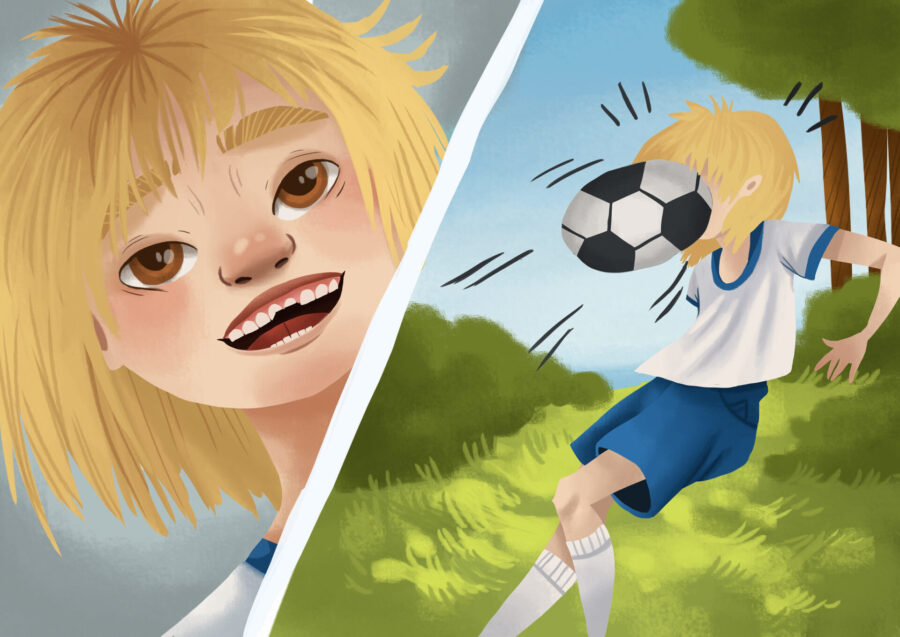
A front tooth can chip during a basketball game. A bike fall can send someone into the handlebars. A softball can take a strange bounce, while a casual soccer game can turn into an accidental collision. These injuries are not limited to football, hockey, or martial arts. Any activity involving speed, contact, equipment, or the possibility of a fall can put the teeth and jaw at risk.
At River City Dental in Fort Smith, AR, Dr. Peyton Aven and Dr. Emily Steininger can help patients after sports-related dental injuries and talk through ways to reduce the risk before the next practice or game. In many cases, a mouthguard is the simplest form of protection. It is not exciting equipment, but it can be the difference between a hard hit and a broken tooth.
Why Summer Sports Can Be Hard on Teeth
Dental injuries often happen during activities that feel casual. A child may not wear a helmet or mouthguard for a driveway basketball game because it is “just for fun.” An adult may head out for a weekend bike ride without thinking much about the chance of a fall. Then a split-second accident changes the day.
The mouth is especially vulnerable during impact because the front teeth sit in a position where they can take the force first. A ball, elbow, handlebars, pavement, or another player can chip a tooth, push it out of place, or cause a deeper crack that is not immediately visible.
The jaw can also absorb part of that force. A hard hit may leave someone with jaw soreness, difficulty bringing the teeth together, or pain when chewing. Even when the teeth look normal afterward, the supporting tissues around them may have been strained.
That is why it helps to think beyond visible damage. A chipped tooth is easy to spot, but a loose tooth, shifted bite, or sore jaw may need attention too.
A Mouthguard Is One of the Best Ways to Reduce Risk
A mouthguard creates a cushion between the teeth, lips, cheeks, and jaw during impact. It cannot prevent every injury, but it can reduce the force that reaches the teeth and soft tissues.
The most useful mouthguard is the one that stays in place. If it feels bulky, slips around, or makes breathing difficult, it will probably spend more time in a sports bag than in someone’s mouth.
There are three common types:
- Stock mouthguards come ready to wear, but they often fit loosely.
- Boil-and-bite mouthguards soften in hot water and can be shaped at home.
- Custom mouthguards are made from an impression or digital scan of the teeth for a closer fit.
A custom mouthguard can be especially useful for athletes who play often, have braces, or have crowns, bridges, veneers, or other dental work. It is also a good option for someone who has already had a sports-related dental injury and wants better protection going forward.
The important part is consistency. A mouthguard should be worn during practice as well as games because many injuries happen during ordinary drills, warmups, or unplanned contact.
Mouthguards Are Not Only for Contact Sports
Football and hockey are obvious mouthguard sports. However, dental injuries can happen in baseball, softball, soccer, basketball, lacrosse, cycling, skateboarding, gymnastics, pickleball, and many other summer activities.
A baseball or softball does not need to move very far to cause damage. Likewise, a fall from a scooter or bike can affect the teeth even when the rider was not moving especially fast. The same goes for trampolines, playground equipment, and pool decks, where a slip can happen in a second.
For children, the risk changes as permanent front teeth come in. Those teeth are still developing, and an injury can affect more than the visible surface. Teens with braces also need extra protection because brackets and wires can cut the lips or cheeks during impact.
Adults sometimes forget that older dental work can be vulnerable too. A crown may handle normal chewing well, but it is not designed to take a direct hit from a ball or elbow. The same goes for veneers, bridges, and implants.
What to Do if a Tooth Chips During Sports
A chipped tooth may not seem urgent, especially if there is no pain. The tooth may only feel rough against the tongue, and the player may want to return to the game. Still, it is worth having the tooth checked.
Some chips only affect the enamel and can be smoothed or repaired with bonding. Other fractures extend deeper into the tooth and can lead to sensitivity, future cracking, or damage to the nerve inside.
Try to find any broken piece of tooth if possible. Place it in a clean container with milk or saliva, then call the dental office for guidance. In some cases, the piece can be used during the repair.
While you wait to be seen, avoid biting with that tooth. Cold drinks may also bother it, so it can help to keep food and drinks mild until the area is evaluated.
A small chip is still easier to repair when it is addressed before the edge keeps breaking or the tooth becomes more sensitive.
A Loose or Shifted Tooth Needs Prompt Attention
Not every sports injury ends with a tooth getting knocked out. Sometimes a tooth is pushed slightly backward, forward, or sideways. It may look longer than the teeth around it, feel loose, or make the bite feel off.
That kind of injury should be checked quickly. The tooth and the tissues around it may need to be repositioned or stabilized. The longer it sits out of position, the harder it can be to manage.
Do not keep wiggling the tooth to see how loose it is. It is also best to avoid chewing on that side until your dentist has evaluated the area.
A tooth may feel better after a day or two, but that does not always mean the injury is fully resolved. Trauma can affect the nerve or root later, which is why follow-up visits may be needed after the initial injury.
What to Do if a Permanent Tooth Gets Knocked Out
A knocked-out permanent tooth is one of the few dental emergencies where the first minutes can have a major impact. The goal is to protect the tooth and get to a dentist as quickly as possible.
First, find the tooth and pick it up by the crown, which is the part you normally see above the gums. Avoid touching the root.
If the tooth is dirty, rinse it gently with milk or clean water. Do not scrub it, scrape it, or wrap it in tissue. The cells on the root surface need to stay as intact as possible.
If the person is old enough and able to do so safely, place the tooth back into the socket and have them gently bite on gauze or a clean cloth. If that is not possible, keep the tooth moist in milk and call River City Dental right away.
A knocked-out baby tooth should not be put back into the socket because it can affect the permanent tooth developing underneath. In that situation, call the office for guidance and focus on controlling bleeding and checking for other injuries.
When a Mouth Injury Needs Emergency Medical Care
Some sports injuries involve more than the teeth. Seek emergency medical care for uncontrolled bleeding, loss of consciousness, vomiting, confusion, severe swelling, trouble breathing, or signs of a broken jaw or facial bone.
A deep cut to the lip, tongue, or cheek may also need urgent medical attention, especially if steady pressure does not slow the bleeding. Head injuries can happen alongside dental injuries, so it is important to pay attention to the full situation after a fall or hard collision.
Once urgent medical concerns have been addressed, a dental exam can check the teeth, gums, bite, and dental work. A tooth may look fine right after impact but still have damage below the gumline or around the root.
Braces, Crowns, Veneers, and Bridges Need Extra Protection
Braces can make a sports injury more uncomfortable because brackets and wires can press into the lips and cheeks. A properly fitted orthodontic mouthguard creates a protective layer between the braces and soft tissues.
Crowns, veneers, bridges, implants, and large fillings also deserve extra care during sports. These restorations are designed for normal biting and chewing, not sudden impact.
A direct hit can crack ceramic, loosen a crown, damage a bridge, or break the tooth underneath a restoration. Because of that, athletes with dental work may benefit from a custom mouthguard made around their current teeth and restorations.
This can also be useful for people who clench or grind their teeth. A sports mouthguard is not the same as a nightguard, but it may help protect vulnerable teeth during activity when there is a risk of contact or falls.
Keep a Simple Dental Injury Plan With Sports Gear
A dental emergency is easier to handle when you are not searching for supplies in the middle of a crowded field or gym. Parents and coaches do not need a full dental setup on the sidelines. However, having gauze, a small container, and the office number nearby can make a stressful moment easier to handle. If a permanent tooth is knocked out, milk or saliva is usually the most practical option for keeping it moist while you call the dentist.
It is also useful to know where urgent care or an emergency department is located when traveling for tournaments, camps, or lake weekends. A small amount of planning can make a stressful situation easier to handle.
Summer Sports Dental Care in Fort Smith, AR
Summer sports come with plenty of good moments, but dental injuries can happen quickly when a ball, bike, fall, or collision catches someone at the wrong angle. A well-fitting mouthguard, prompt action after an injury, and follow-up care can help protect teeth that may otherwise need more extensive repair.
At River City Dental in Fort Smith, AR, Dr. Peyton Aven and Dr. Emily Steininger can discuss sports mouthguards, evaluate chipped or loose teeth, and help after sports-related dental injuries. Call before the season gets busy if you or your child needs a mouthguard, or contact the office promptly after a chipped, shifted, loose, or knocked-out tooth.
Image from Authority Dental under CC 2.0