Sleep Apnea Oral Appliances: What the First Two Weeks Feel Like and How to Adjust Faster
August 21, 2026 9:00 amThe first night with a sleep apnea oral appliance can feel a little strange. You have something new in your mouth, your jaw is sitting in a different position, and suddenly you are very aware of where your tongue is. By the second or third night, you may also have a few questions you did not think to ask before you started wearing it.
That adjustment period is normal for many patients. You may notice extra saliva, a dry mouth, mild jaw soreness, or a bite that feels a little different when you first take the appliance out in the morning. Those early changes often improve as your mouth gets used to wearing the appliance, although ongoing pain or a poor fit should be checked rather than pushed through.
At River City Dental in Fort Smith, AR, Dr. Peyton Aven and Dr. Emily Steininger can help you through those first couple of weeks. The goal is not to hand you an appliance and hope you figure it out at home. Small adjustments to the fit or jaw position can make a big difference in how comfortable the appliance feels from night to night.
Sleep Apnea Oral Appliances: What the First Two Weeks Feel Like
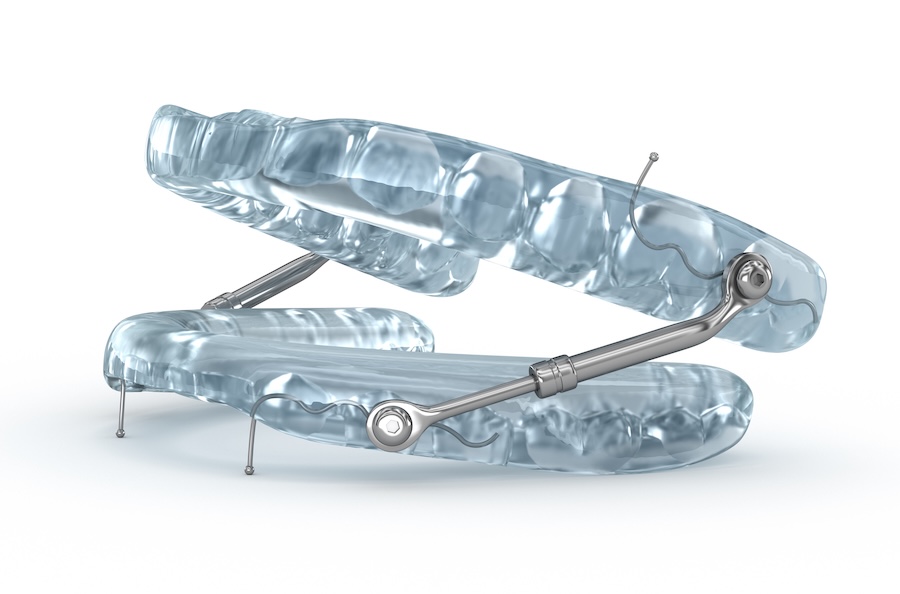
A sleep apnea oral appliance fits over your teeth and gently holds your lower jaw forward while you sleep. That forward position helps keep the airway more open. Because your jaw spends several hours in a position it is not used to, the first few nights can feel different even when the appliance fits properly.
For many people, the first week is mostly about getting used to the feeling of having the appliance in place. You may notice pressure on certain teeth, more saliva than usual, or a little stiffness when you wake up. By the second week, those sensations may already feel less noticeable.
However, adjustment is not a test of how much discomfort you can tolerate. An oral appliance should not leave you with sharp tooth pain, worsening jaw pain, sores that keep getting rubbed, or a fit that feels unstable. If something feels off, Dr. Aven or Dr. Steininger can check it and make changes.
The First Few Nights Can Feel Unfamiliar
Night one tends to get your attention because there is simply something new in your mouth. Even a well-fitted appliance takes up space around the teeth, so your lips, tongue, and cheeks need a little time to get used to it. You may spend more time thinking about the appliance than actually thinking about sleep.
Some people also notice that swallowing feels slightly different at first. That usually becomes easier once your tongue figures out where to rest around the appliance. Extra saliva is common for the same reason: your mouth recognizes something new and reacts to it.
Try not to judge the entire treatment by the first night. A device that feels very noticeable at bedtime on Monday may feel much more familiar by the end of the week. At the same time, if an edge is rubbing the inside of your cheek or the appliance feels painfully tight, call River City Dental rather than hoping irritation will disappear on its own.
What Morning Jaw Soreness Can Feel Like
A little jaw stiffness in the morning can happen when you begin oral appliance therapy. Your lower jaw has been held forward for several hours, so the muscles may feel tight when you first remove the device. Some patients describe it as mild soreness through the cheeks or around the jaw joints.
That feeling should generally ease as your jaw settles back into its usual daytime position. Your dentist may also give you a small morning bite guide to use after you remove the appliance. It helps your jaw settle back into its usual position and can make that temporary “my bite feels off” feeling easier to manage.
Gentle jaw movements may also help, depending on what Dr. Aven or Dr. Steininger recommends for you. The idea is to let the jaw return gradually rather than forcing it into place. For many patients, the stiffness becomes less noticeable as the first couple of weeks go by.
Pain is different from mild adjustment soreness, though. If your jaw hurts more each morning, becomes difficult to open, or develops sharp pain near the joint, contact Dr. Aven or Dr. Steininger. The appliance may need an adjustment rather than more time.
Your Bite May Feel Different in the Morning
One of the stranger early sensations can happen after the appliance comes out. You close your teeth together and think, “My bite does not feel quite right.” Your back teeth may not meet exactly the way they did the night before.
For many patients, that feeling is temporary. The jaw has been held forward during sleep, and the muscles need a little time to settle back into their usual position. A morning bite guide, along with gentle jaw movements, can help the teeth come back together more normally after you remove the appliance.
If Dr. Aven or Dr. Steininger gives you a morning bite guide, they can show you how and when to use it. It is a small device made to help your jaw return to its usual daytime position. You should not have to guess how long to wear it or how much pressure to use.
However, repeated bite changes are something your dentist needs to monitor. Long-term oral appliance therapy can sometimes affect tooth position or the way the teeth meet. Regular follow-up allows Dr. Aven or Dr. Steininger to catch those changes early and adjust treatment when needed.
Extra Saliva or a Dry Mouth Can Both Happen
It may seem odd that one appliance can lead to either extra saliva or dry mouth, but both can happen. During the first few nights, your mouth may respond to the new device by producing more saliva. You may notice yourself swallowing more often until your mouth adjusts.
Other patients notice dryness instead. Sleeping with the mouth open, medications, nasal congestion, and the appliance itself may all play a part. A dry mouth can feel especially noticeable when you wake up.
If dryness continues, let Dr. Aven or Dr. Steininger know. Ongoing dry mouth can affect comfort and can also make teeth more prone to decay over time. They can look at the appliance fit and talk with you about other factors that may be contributing.
The Second Week Often Feels More Familiar
By the second week, putting in the appliance may start feeling less like an event. Your tongue usually stops exploring every edge, saliva may settle down, and the jaw may feel less stiff in the morning. The device can start becoming another part of bedtime rather than the main thing you notice.
You may also begin paying more attention to sleep-related changes. Perhaps your partner says the snoring sounds different, or you wake up feeling less dry and restless. Other people need more adjustment before they notice much difference.
Try not to make your own large changes to the appliance based on a couple of nights. Many sleep apnea oral appliances are adjustable, which means the jaw position can be moved forward in small steps. Dr. Aven or Dr. Steininger can guide those changes so the appliance stays comfortable while supporting your airway.
How to Make the Adjustment Period Easier
Consistency usually helps your mouth adapt. If Dr. Aven or Dr. Steininger has asked you to wear the appliance nightly, putting it in around the same point in your bedtime routine can make the habit easier to establish. Taking long breaks because one night felt unusual can make the appliance feel unfamiliar again when you restart.
It can also help to give yourself a few quiet minutes with the appliance in before trying to fall asleep. Read for a bit, listen to something, or finish your usual bedtime routine while wearing it. That gives your mouth a chance to settle before you are lying there thinking about every millimeter of the device.
Keep the appliance clean as directed as well. Plaque and debris can make a dental appliance less pleasant to wear and can affect the teeth underneath it. River City Dental can show you how to clean your particular device without damaging the material.
Do Not Adjust the Jaw Position Too Quickly
Many oral appliances allow the lower jaw to move forward in small steps. That gives your dentist room to find a position that supports the airway without asking your jaw to make a big jump all at once. More advancement is not automatically better.
Moving the jaw too far forward too quickly can increase soreness in the muscles or joints. It may also make the appliance harder to tolerate through the whole night. If each adjustment seems to leave you more uncomfortable, let Dr. Aven or Dr. Steininger know before moving it farther.
Follow the adjustment schedule they give you rather than turning the appliance farther on your own. If you still snore or feel tired, tell them what you are noticing. They can decide whether another adjustment makes sense.
A Sore Spot Inside the Mouth Usually Needs a Small Fix
Sometimes the appliance itself feels fine, but one edge rubs your cheek, tongue, or gum. After several hours of sleep, even a small rough area can leave a tender spot. That can make you dread putting the appliance back in the next night.
Do not keep wearing it through a sore that gets worse each night. Often, the solution is a small adjustment to the appliance rather than abandoning treatment. In some cases, your dentist may also suggest dental wax for temporary relief until the area can be checked.
If possible, bring the appliance with you when you come in. Dr. Aven or Dr. Steininger can see where it is contacting your mouth and make the fit more comfortable. A small change can sometimes solve a problem that felt much bigger at bedtime.
What if the Appliance Feels Too Tight on Your Teeth?
A custom oral appliance should fit securely, but secure and painfully tight are not the same thing. Some pressure can feel noticeable when you first place it over the teeth. That sensation often becomes less obvious as you get used to wearing it.
If one tooth aches every morning, the appliance becomes difficult to remove, or you feel sharp pressure in one area, let the office know. A tooth with a large filling, crown, gum recession, or another dental issue may respond differently to pressure. The appliance may also need a minor adjustment.
Likewise, an appliance that suddenly feels loose should be checked. Dental work, tooth movement, wear, or changes to the device itself can affect the fit. Dr. Aven or Dr. Steininger can determine whether an adjustment or repair is needed.
What if You Take It Out in Your Sleep?
You may wake up during the first week and find that the appliance is no longer in your mouth. That can be frustrating, but it does not necessarily mean you cannot adapt to oral appliance therapy. Your sleeping brain may still be getting used to having something new over your teeth.
If the appliance fits well and does not hurt, regular use can help it become more familiar. Some patients do better when they put it in a little before they actually fall asleep. That gives the mouth more awake time to adjust.
If you continue removing it night after night, tell Dr. Aven or Dr. Steininger. The fit, jaw position, bulk, or another comfort issue may be getting in the way. Finding the reason is more helpful than repeatedly waking up and wondering what happened.
How Soon Should You Notice Better Sleep?
Some people or their bed partners notice less snoring fairly early. Changes in daytime tiredness may take longer to recognize, especially if you have been sleeping poorly for a long time. Either way, feeling better is encouraging but does not tell the whole story.
For obstructive sleep apnea, follow-up sleep testing is often used to confirm that the appliance is controlling the condition well enough. That gives your sleep healthcare provider objective information about your breathing during sleep. You should also continue follow-up with the dentist managing the appliance.
Comfort and effectiveness both need attention. You want an appliance you can wear consistently, but you also need to know that it is helping your airway the way it should. Dr. Aven or Dr. Steininger can manage the dental side while your sleep provider follows the medical side of treatment.
Why Follow-Up Appointments Are Part of Treatment
Your oral appliance may need fine-tuning after you have worn it for a while. Your mouth can change, the device can wear, and the jaw position may need small adjustments as treatment continues. Follow-up visits give Dr. Aven or Dr. Steininger a chance to check all of those things.
They can also watch for changes in your teeth and bite. Oral appliances can sometimes shift tooth position or change the way the teeth come together over time. Catching those changes early gives your dentist more room to adjust the appliance before they become more noticeable.
When you come in, mention what mornings are actually like. Jaw soreness, tooth pressure, dry mouth, snoring changes, or nights when you could not keep the appliance in are all worth discussing. Those day-to-day details can help guide the next adjustment.
What Is Normal and What Should You Call About?
Mild jaw stiffness, extra saliva, temporary dryness, and a brief change in how your bite feels can happen during the adjustment period. Minor irritation may also show up while your mouth gets used to the appliance. In many cases, those early effects become less noticeable over days or weeks.
Sharp or increasing pain is different. Call if you develop ongoing tooth pain, worsening jaw-joint pain, sores that do not heal, an appliance that cracks, or a fit that suddenly changes. You should also mention a bite that does not return to normal after your usual morning routine.
You do not need to assume that ongoing discomfort is just part of sleep apnea treatment. Sometimes the appliance needs a small adjustment, a slower advancement schedule, or a different fit in one area. Dr. Aven or Dr. Steininger can help sort out what is part of normal adjustment and what needs attention.
Oral Appliances Still Need a Sleep Apnea Diagnosis
Snoring is one reason people first become interested in oral appliances, but snoring and sleep apnea are not the same thing. Obstructive sleep apnea involves repeated airway blockage during sleep and needs an appropriate medical diagnosis. A dentist can help manage oral appliance treatment, but your sleep healthcare provider handles the diagnosis and medical follow-up.
Oral appliances can be an option for appropriate adults with obstructive sleep apnea, particularly when CPAP is not tolerated or when a patient prefers another treatment and their sleep provider agrees. CPAP often reduces sleep apnea more strongly overall, so the choice depends on your diagnosis, preferences, and medical needs. That is why oral appliance therapy works best as part of coordinated care.
If you suspect sleep apnea but have never had a sleep evaluation, start there rather than buying a device online. Once you have a diagnosis and treatment recommendation, Dr. Aven or Dr. Steininger can help with the dental part of oral appliance therapy. That includes fitting the appliance, making adjustments, and monitoring your teeth and bite.
Why a Custom Appliance Feels Different From a Store-Bought Guard
A sleep apnea oral appliance is not the same thing as a basic nightguard for grinding. It is designed to hold the lower jaw in a position that helps support the airway while you sleep. A custom appliance also fits your teeth and allows the dentist to adjust the jaw position over time.
Custom, adjustable appliances give Dr. Aven or Dr. Steininger more control over fit and comfort. They can gradually move the lower jaw forward instead of relying on one fixed position. If an area rubs or takes too much pressure, they can also adjust the appliance more precisely.
That closer fit can be especially helpful during the first couple of weeks. If something feels wrong, you have a specific appliance made for your mouth that the dentist can evaluate and modify. You are not left trying to reshape a generic guard on your own.
Common Questions About Adjusting to a Sleep Apnea Oral Appliance
How Long Does It Take to Get Used to a Sleep Apnea Oral Appliance?
Many early side effects improve over several days to a few weeks. You may notice the appliance less as your tongue, cheeks, and jaw become familiar with it. However, the adjustment time varies, especially if Dr. Aven or Dr. Steininger is moving the jaw forward gradually.
Comfort should generally improve rather than get worse. If soreness keeps increasing or you still cannot tolerate the appliance after repeated attempts, contact River City Dental. A small change to the fit or jaw position may help.
Is Jaw Soreness Normal at First?
Mild morning jaw soreness can happen early in treatment. The appliance holds your lower jaw forward for hours, so the muscles may feel stiff when you wake up. A small morning bite guide and gentle jaw movements may help your jaw settle back into its usual position.
Pain that becomes stronger or lasts well into the day needs a closer look. The appliance may be advancing the jaw too far or putting pressure where it should not. Let Dr. Aven or Dr. Steininger know rather than trying to work through worsening pain.
Why Do My Teeth Feel Different When I Wake Up?
Your bite may need a little time to return to its usual position after you remove the appliance. For some patients, the back teeth do not meet exactly the same way for a short period in the morning. That can happen because the lower jaw has been held forward during sleep.
Your dentist may give you a small morning bite guide to help the jaw and teeth settle back into place. If you use one, Dr. Aven or Dr. Steininger can show you exactly how to use it. They will also monitor your bite over time for any changes that last beyond the morning.
What Should I Do if the Appliance Makes My Mouth Sore?
A small irritated area may come from an edge rubbing your cheek, tongue, or gum. Instead of repeatedly wearing the appliance over an increasingly sore spot, call the dental office. Often, a minor adjustment can remove the source of irritation.
Your dentist may also recommend dental wax in certain situations while the area settles. If you have an ulcer, swelling, bleeding, or persistent soreness, mention that when you call. Dr. Aven or Dr. Steininger can decide how soon the appliance needs to be checked.
Can I Skip a Night if My Jaw Is Sore?
If soreness keeps returning, call the office before changing the treatment schedule on your own. Mild stiffness may improve as the jaw adapts, but stronger pain can mean the appliance needs attention. Repeatedly stopping and restarting may not solve the reason it hurts.
Dr. Aven or Dr. Steininger can tell you whether a short break, an adjustment, or a slower advancement schedule makes sense. The recommendation depends on what you are feeling and how the appliance fits. That gives you a better plan than guessing from one night to the next.
How Do I Know if the Appliance Is Actually Treating My Sleep Apnea?
Less snoring and feeling more rested can be encouraging signs, but they do not confirm that sleep apnea is fully controlled. Follow-up sleep testing can show how well the appliance is keeping your airway open. Your sleep healthcare provider can use those results to decide whether treatment is working well enough.
You should also continue periodic care with River City Dental. Dr. Aven or Dr. Steininger can monitor the appliance, teeth, jaw, and bite. Meanwhile, your sleep provider continues to follow the medical side of your condition.
What if I Still Snore With the Appliance?
Some snoring may continue while the appliance is still being adjusted. That does not mean you should move the jaw as far forward as possible on your own. The position needs to change gradually so your jaw can tolerate it.
Tell Dr. Aven or Dr. Steininger what you or your bed partner has noticed. They can check the appliance and decide whether another adjustment is appropriate. Follow-up sleep testing can then help confirm whether the final position is controlling your sleep apnea well enough.
Get Comfortable With Oral Appliance Therapy at River City Dental in Fort Smith, AR
The first two weeks with a sleep apnea oral appliance can include a few mornings when your jaw feels stiff, your bite feels a little different, or the device seems much more noticeable than you expected. For many patients, those early sensations settle as the mouth adapts. And if something keeps rubbing, aching, or feeling wrong, you do not have to keep hoping it fixes itself.
At River City Dental in Fort Smith, AR, Dr. Peyton Aven and Dr. Emily Steininger can check the fit, adjust the appliance, and help you understand what is normal during the first few weeks. If you already have an appliance and the adjustment has been harder than expected, bring it with you so they can see exactly how it fits. Call River City Dental to schedule an exam, and we’ll be glad to help you get more comfortable with your treatment and your nights!